
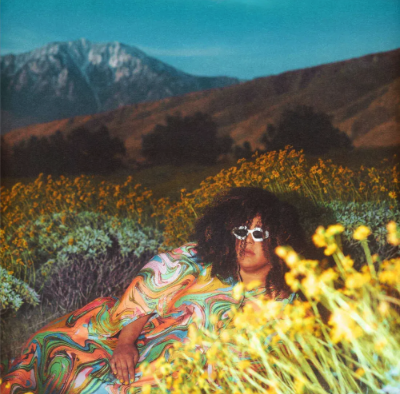
by Cole Manasco, Contributing Writer for the Crimson White
Athens, Alabama, native Brittany Howard released her second solo album, “What Now”, a genre-fusing, cathartic, and otherworldly listening experience on Friday. Notoriously known for her work with soul-tinged garage rock group Alabama Shakes, Howard returns to the Nashville, Tennessee studio with long-time collaborator and producer Shawn Everett.
Following up on her debut solo album, “Jaime,” released in 2019, the five-time Grammy winner delivers a compilation of tracks whose narrative reads as the diary introspections of a heartbroken woman exhausted with reality but sounds like an escapist’s wildest dreams. The autobiographical album “Jaime” is dedicated to and titled after her sister, who passed at the age of 13 due to retinoblastoma, a rare form of eye cancer. “What Now” is ridden with identity crisis accompanied by sticky drum patterns reminiscent of D’Angelo’s album “Voodoo,” and lush, echoing vocal harmonies.
“There’s a love out there for me,” Howard sings on the opening track “Earth Sign,” but grappling with the idea of love itself as she sings, “Will I know when I feel it?” Uncertainty is a common theme on the album, but she sounds more sure of herself on the gasoline-infused title track than ever. A track filled with stiff and calculated drum grooves, fuzzed-out guitar riffs and an angry vocal delivery, Howard screeches, “If you want someone to hate, then blame it on me.” She doesn’t know where to go after a seemingly devastating heartbreak, but she knows she is moving on with only regard for her feelings.
The album seamlessly transitions at an appropriate pace for its nearly 40-minute duration. But Howard only allows herself time to breathe on the sleepy and meditative track, “To Be Still,” followed by an interlude of Maya Angelou reciting a verse from her poem, “A Brave and Startling Truth.”
A typical pattern on the album is that most tracks conclude with sustained drones and sparse, desolate bells. A highlight and unexpected second single of the album, “Prove It to You,” is full of house beat percussion, grimy synth bass and shimmering keys that sound just as vintage as they do modern. The track is loose but grooved tight. However, it never seems to burst the seams of true bliss, almost like she can’t allow herself to have fun. With lyrics more simplistic than the rest of the album, Howard enables the listener to dance with her until she returns to the drones and desolation that indicates her sorrow.
The latter quarter of the album sounds complacent and gloriously damaged. Howard struggles to finish the verses as she slightly fades out with the instrumentation going into the chorus of the jazzy tune, “Samson.” Once she says what she needs to say, she allows the music around her to move with drowsy Mile Davis-fashioned horns and twinkly electric pianos for the track’s second half.
“Power to Undo” is neatly constructed with Prince-like vocals and a blistering guitar solo. Howard’s repeated line, “How could you?” sounds exasperated as she realizes she placed the power of her feelings, as mentioned earlier, of despair in the hands of the one who hurt her. The album’s closer, “Every Color in Blue,” is an experimental but tame jazz track with no structure. But it includes Howard’s wailing notes that grow higher and bolder with each line until she reaches the conclusion with the line, “I can’t believe I’m all out of rainbows.”
“What Now” is sometimes contradictory, but it represents a never-ending journey of self-discovery. With an array of hollow bells, staccato drums, glimmering synths and Pentecostal church vocals, this album is indeed Brittany Howard at her best to date. Sure, a few of her influences are clear but she cultivates a new music-verse as she expands on them rather than replicating them. She doesn’t overstay her welcome but makes her time worth it.
 cole manasco